

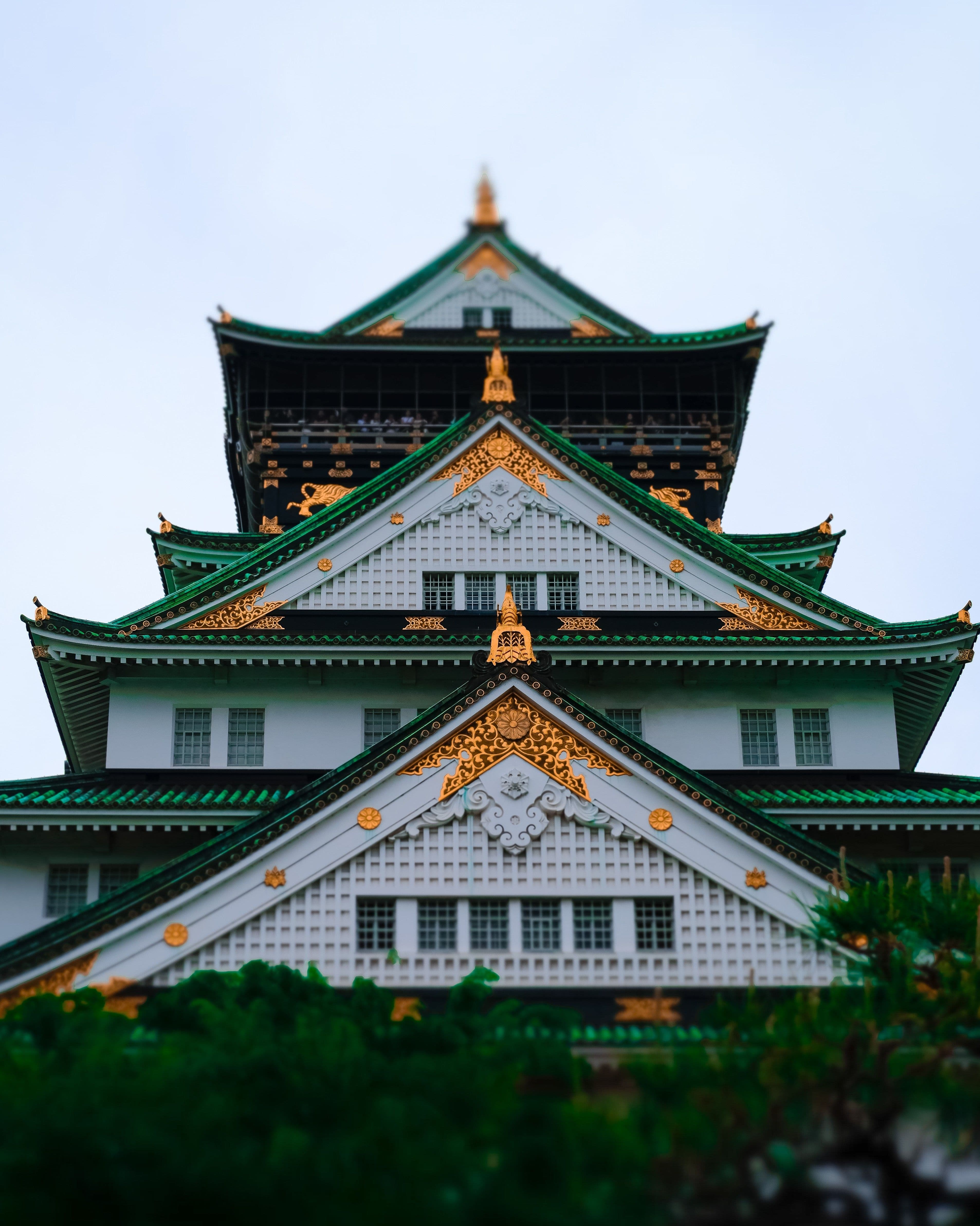
The Synthesized Sanctuary of Modern Japan
Few places on Earth command the sensory spectrum quite like the Japanese archipelago. It is a land where the modern world does not replace the old, but rather stacks neatly on top of it, wrapped in high-efficiency design and ancient etiquette. Within a span of hours, a traveler can transition from the deafening, multi-tiered neon canyons of Tokyo’s Shinjuku district to a moss-blanketed forest temple in Kyoto where the only sound is the rhythmic dripping of a bamboo water pipe.
This photo-essay investigates how these aesthetic extremes coexist, demonstrating how intentional design balances the hyper-urban with the deeply pastoral.
1. The Neon Megalopolis of Tokyo
Tokyo defies conventional urban scale. It is not a singular city, but a decentralized network of dense urban hubs, each maintaining its own distinct subculture. Shinjuku vibrates with high-intensity commercial energy; Akihabara acts as a structural hub for subcultural technology; while Shibuya serves as the physical crossroads of modern youth culture.
From an architectural standpoint, Tokyo uses verticality and lighting as foundational raw materials. At dusk, the cityscape transforms into a giant luminous circuit board. The visual rhythm of this environment is characterized by layered typographical hierarchies, flashing LED arrays, and an endless stream of human traffic moving in precise synchronization.
"To see Tokyo at night is to observe an intentional future—one where density produces efficiency instead of chaos."
2. The Ancient Canopy of Kyoto
Leaving the Capital on the Tokaido Shinkansen, the landscape softens into rolling green mountains and misty river valleys. Arriving in Kyoto is an exercise in changing tempos. As the imperial capital of Japan for over a millennium, Kyoto holds thousands of classical Buddhist temples, Shinto shrines, and preserved wooden machiya townhouses.
The design language here shifts from synthetic emission to organic texture:
- Weathered Cedar: Providing natural structural resonance and a muted earthy palette.
- Granite Pathways: Smooth, rain-polished paths that guide travelers deliberately through gardens.
- Coarse Gravel: Meticulously raked in Zen rock gardens to simulate ripples in a sea of stillness.
Visual Exhibition
The visual identity of this landscape is best understood through its stark contrasts—where electric neon lights give way to timeless natural horizons.


3. The Sacred Geography of Mount Fuji
To understand how Japan handles structural tension between the hyper-urban and the deeply pastoral, one must look toward its center. Mount Fuji (Fujisan) acts as a literal and spiritual tectonic anchor for the nation. A near-perfect symmetrical stratovolcano, its peak is frequently wrapped in a crown of lenticular clouds, serving as a constant motif in art from Hokusai's woodblock prints to modern digital media.
Nature in Japan is rarely viewed as wild wilderness; rather, it is approached as an active collaborator. This is visible in the practice of Shinrin-yoku (forest bathing), a medically backed wellness ritual that encourages deliberate, mindful immersion in forested environments to lower stress markers.
| Destination | Core Element | Dominant Aesthetic Tone |
|---|---|---|
| Tokyo | Kinetic Infrastructure | Electric Cobalt & Magenta |
| Kyoto | Traditional Sanctuaries | Moss Green & Weathered Cedar |
| Mount Fuji | Sacred Geography | Clean White & Deep Indigo |
| Osaka | Culinary Nightlife | Warm Amber & Industrial Steel |
Conclusion: Synthesizing the Experience
The genius of modern Japanese travel lies in the realization that these contradictions are completely intentional. The ultra-fast Shinkansen speeds you toward timeless wooden pagodas; robot-run hotels operate blocks away from family-owned tea shops that have tended the same hearth for four hundred years. By documenting these spaces, we give these architectural contrasts room to breathe, balancing spatial clarity with narrative depth.
Photo Credits
Tokyo Photo by Jezael Melgoza on Unsplash
Kyoto Photo by Sorin Gheorghita on Unsplash
Mount Fuji Photo by Sora Sagano on Unsplash
Osaka Photo by Alex Knight on Unsplash